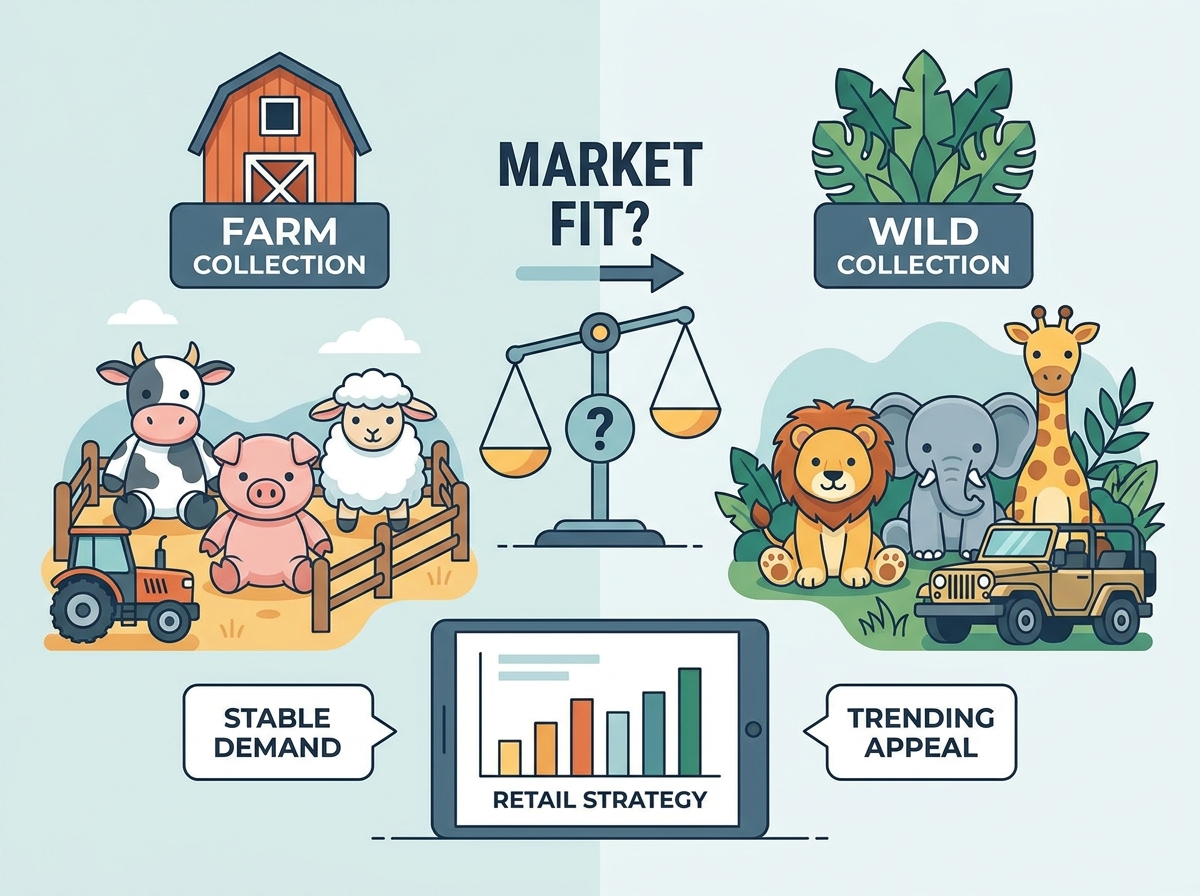
The global stuffed animal and plush toys market is projected to grow from $13.7 billion in 2025 to $25.9 billion by 2033. This growth is driven by high consumer spending on premium, branded, and customized plush products. Retailers, distributors, and brand managers face a critical inventory decision when launching or expanding a soft toy line. Choosing between a farm or wild theme dictates target demographics, production complexity, safety compliance requirements, and ultimate profit margins. This guide provides a technical, data-driven evaluation framework. It helps you determine whether a farm or wild animal plush toy collection aligns with your specific retail environment, customer base, and scalability goals. We will break down production realities, safety standards, and inventory strategies to ensure your next product launch captures market share effectively and minimizes supply chain friction.
Demographic Alignment: Farm animal collections dominate the infant-to-toddler and educational sectors, while wild animal collections capture older children, adult collectors, and premium institutional markets (zoos, museums).
Production Economics: Wild animals typically require higher upfront tooling costs due to complex patterns and varied fabric textures, whereas farm animals offer streamlined manufacturing and lower Minimum Order Quantities (MOQs).
Margin Potential: Wild animal plush lines support higher retail price points through premiumization and niche appeal; farm animals rely on higher volume and bundle-based sales strategies.
Risk Mitigation: Success in either category requires strict adherence to age-graded safety compliance (e.g., ASTM F963, EN71) and strategic supplier vetting to avoid inventory stagnation.
Table of Contents
Toggle
How to Plan a Profitable Animal Plush Toy Collection
Establishing a clear business objective is the first step in developing a profitable soft toy line. You must determine whether your primary goal is high-volume turnover for the mass market, high-margin premium sales for boutique and collector channels, or institutional partnerships with destination retailers. Each of these avenues requires a distinct approach to product design, material sourcing, and inventory management. Differentiating between standard stuffed animals, traditional dolls, and premium soft toys helps align your product positioning with the projected 15.8% compound annual growth rate in the premium sector. Standard stuffed animals often compete on volume, while premium soft toys compete on texture, design authenticity, and brand narrative.
Analyzing established market leaders provides a baseline for your collection's required style, material quality, and gift value. Brands that dominate the premium space utilize proprietary fabric blends, weighted components, and sophisticated color palettes. You must define your target aesthetic before finalizing custom plush inspiration. This prevents scope creep during the prototyping phase and ensures your factory understands the exact quality standard expected.
Assessing potential collections requires a strict evaluation of baseline metrics. You need to calculate unit cost, target retail price, shelf-space requirements, and cross-selling potential. A large, rigid plush toy occupies significant retail footprint, reducing the revenue per square inch of shelf space. Conversely, smaller, highly detailed plush items can be merchandised in high-density displays, increasing impulse purchase rates.
Product Category
Primary Material Focus
Target Retail Channel
Production Complexity
Standard Stuffed Animals
Basic Velboa, Polyester Fill
Mass Market, Grocery, Pharmacy
Low (Simple patterns, standard colors)
Premium Soft Toys
Minky, Sherpa, Weighted Pellets
Boutiques, Specialty Toy Stores
High (Complex gussets, mixed textures)
Institutional Souvenirs
Printed Fabrics, Custom Tags
Zoos, Aquariums, Museums
Medium (Focus on species accuracy)
To effectively evaluate your options, consider the following baseline metrics when planning your inventory:
Calculate the exact cubic volume of the finished product to estimate shipping container yields.
Determine the ratio of fabric cost to labor cost for each proposed design.
Assess the visual impact of the product when compressed in standard retail packaging.
Evaluate the potential for seasonal variants using the same base pattern to extend the product lifecycle.
Farm Animal Plush Toys: Best for Early Learning and Volume Sales
Target Demographics and Buyer Psychology
The primary end-users for farm-themed soft toys are infants, toddlers, and preschool-aged children. This demographic interacts with toys through tactile exploration and basic recognition. The buyer profile consists of parents, grandparents, and early childhood educators who prioritize familiarity, comfort, and cognitive development. Farm animals represent some of the first vocabulary words children learn. This inherent familiarity reduces the friction of the purchasing decision. Buyers in this segment look for soft, approachable designs with high contrast features that appeal to developing visual tracking skills.
Educational value plays a massive role in the buyer psychology for this category. Parents often purchase farm animals to facilitate interactive play, such as teaching animal sounds or basic counting. The aesthetic should lean towards friendly, slightly exaggerated proportions rather than strict anatomical realism. Large heads, wide-set eyes, and rounded bodies communicate safety and approachability.
Core Product Categories and Assortments
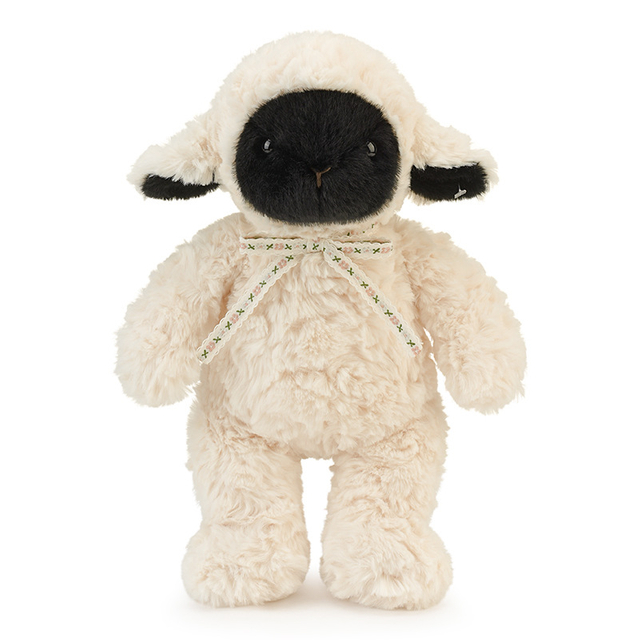
A successful farm assortment relies on recognizable staple designs. The core lineup typically includes a cow, pig, sheep, duck, chicken, and goat. These specific animals offer distinct color palettes and shapes, making them easily distinguishable for young children. When developing this assortment, maintaining a consistent design language across all characters is necessary. The eye placement, fabric pile length, and stuffing density should feel uniform, creating a cohesive brand presentation on the shelf.
Incentivized bundle strategies work exceptionally well in this category. Utilizing gamified promotions drives repeat purchases and maximizes Average Order Value. For example, offering a promotion where customers collect four standard farm animals to unlock a larger, premium plush encourages brand loyalty. Retailers can also package these items in themed sets, such as a "Barnyard Starter Kit," which serves as a high-value gift item for baby showers and first birthdays.
Production Realities and Cost Trade-offs
Manufacturing farm animals presents distinct advantages on the factory floor. The silhouette patterns are generally simpler, requiring fewer individual fabric panels. This simplicity reduces the labor time required for cut-and-sew operations. Uniform fabric requirements, such as utilizing standard velboa or sherpa across multiple SKUs, allow for bulk material purchasing. This drives down the raw material cost per unit. Furthermore, simpler designs typically experience lower defect rates during mass manufacturing, as there are fewer complex seams that can fail during quality control pull tests.
However, the farm category faces significant challenges regarding market saturation. Because the designs are ubiquitous, standing out against established competitors requires strategic differentiation. You must invest in unique branding, custom packaging, or proprietary fabric blends. Adding sensory elements, such as crinkle material in a duck's wings or a subtle rattle in a pig's body, elevates a basic design into a premium developmental toy. These additions increase the unit cost slightly but allow for a stronger retail positioning.
Wild Animal Plush Toys: Premium Appeal for Niche Markets
Target Demographics and Buyer Psychology
Wild animal collections target a distinctly different demographic: older children (5+), teenagers, and the rapidly expanding "kidult" collector market. This end-user values design authenticity, unique textures, and the representation of specific, sometimes obscure, species. The buyer profile includes gift-givers seeking high perceived value, impulse buyers at destination retail locations like aquariums and zoos, and dedicated collectors. For the kidult demographic, plush toys often serve as decorative items or comfort objects, meaning the aesthetic must bridge the gap between playful and sophisticated.
Destination retail relies heavily on the emotional connection forged during a visit. A family visiting a tiger exhibit is highly likely to purchase a tiger plush as a tangible memory of the experience. In these environments, the plush must accurately reflect the animal they just saw. This requires a higher degree of realism in the pattern design, utilizing varied pile lengths to simulate fur patterns and airbrushing techniques for facial detailing.
Core Product Categories and Assortments
High-margin sub-categories within the wild segment include Jungle/Safari (lions, elephants, giraffes), Woodland (foxes, bears, raccoons), and Exotic/Marine (axolotls, octopuses, red pandas). The marine and exotic categories have seen massive growth due to internet trends and viral social media content. The ability to pivot quickly to highly specific species that lack mass-market saturation is a major competitive advantage. If a specific exotic animal gains sudden popularity online, having an agile supply chain that can produce a high-quality plush version allows you to capture that immediate demand.
Assortment planning for wild animals often involves creating distinct tiers. A standard tier might feature 8-inch sitting animals, while a premium tier features 16-inch floppy designs with weighted paws and articulated joints. This tiered approach allows retailers to capture both the impulse buyer and the dedicated collector within the same product ecosystem.
Production Realities and Cost Trade-offs
The primary advantage of a wild animal plush toy collection is its ability to support premium pricing tiers. The perceived value of a highly detailed, multi-textured plush allows for stronger margins. This category also offers strong potential for exclusive licensing agreements or institutional wholesale contracts. Zoos and museums frequently seek out high-quality, species-accurate plush to stock their gift shops, providing a steady, high-volume sales channel.
The challenges lie in the production complexity. Wild animals require intricate cut-and-sew operations. A realistic tiger pattern might require twenty different fabric panels, compared to a simple pig pattern that requires six. You must source multiple fabric types, including long pile faux fur, minky for the underbelly, and printed textures for specific markings. This complexity increases labor costs and typically results in higher baseline MOQs from custom plush manufacturers, as the factory must source smaller quantities of highly specific materials.
Farm vs. Wild Animal Plush Toys: Key Differences
Features-to-Outcomes Mapping
Mapping product features to desired market outcomes clarifies the inventory decision. Farm animals drive outcomes in early childhood development markets. Their features—high contrast colors, simple shapes, and soft textures—directly support cognitive and tactile learning. Wild animals drive outcomes in decorative, collectible, and souvenir markets. Their features—realistic detailing, varied fur lengths, and species accuracy—support display value and emotional connection.
Comparing the return on investment for customization reveals different strategies. For farm animals, adding branded accessories like custom bandanas, embroidered farm logos, or specialized hang tags yields a high ROI by differentiating a standard shape. For wild animals, the ROI comes from investing in the core product itself. Upgrading to hyper-realistic glass eyes, utilizing airbrushing for facial gradients, and incorporating premium, heavy-weight fabrics elevates the gift value and justifies a premium retail placement.
Evaluation Dimension
Farm Animal Collection
Wild Animal Collection
Primary Sales Channel
Mass Market, Educational Supply
Destination Retail, Specialty Boutiques
Fabric Requirements
Uniform (Velboa, Sherpa)
Varied (Long Pile, Minky, Printed)
Pattern Complexity
Low to Medium
High to Very High
Margin Strategy
High Volume, Bundling
Premium Pricing, Niche Appeal
Scalability and Brand Expansion
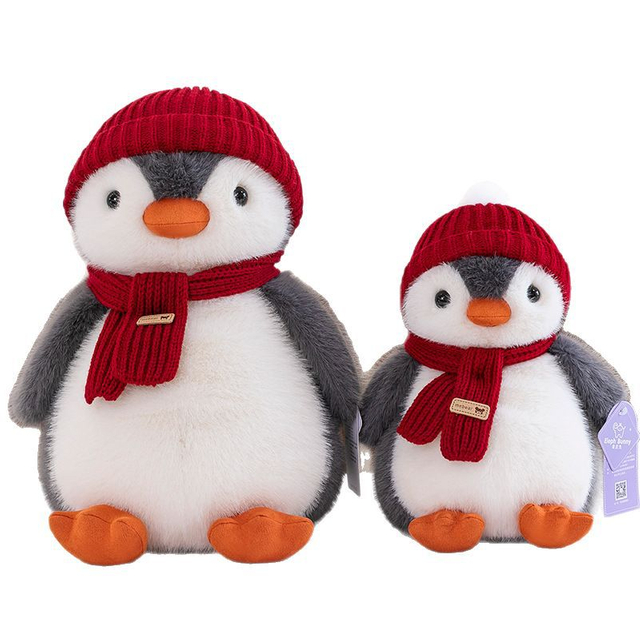
Assessing the ease of expanding a collection dictates long-term viability. A farm collection scales horizontally by adding environmental elements. Once the core animals are established, you can introduce plush barns, tractors, or farmer characters. Seasonal variants, such as a sheep with a winter scarf or a pig with a Halloween pumpkin, provide fresh inventory for Q4 without requiring entirely new base patterns.
Wild collections scale by exploring new biomes. An initial African Safari theme can expand into Arctic, Deep Sea, or Rainforest collections. This thematic expansion encourages collectors to build out specific habitats. However, each new biome requires entirely new patterns and fabric sourcing, making the expansion more capital-intensive than adding accessories to a farm line.
Compliance and Safety Standards Integration
Age-grading impacts every aspect of plush toy design and manufacturing. Farm animals, typically targeted at the 0+ age range, require strict adherence to infant safety standards. This mandates embroidered eyes, securely stitched seams with high pull-test tolerances, and absolutely zero detachable parts. The stuffing must be fully enclosed, often requiring an inner muslin bag to prevent fiber migration if the outer seam fails.
Wild animals, often graded for ages 3+, have slightly more flexibility. They may utilize hard plastic safety eyes, complex wire armatures for poseability, and longer pile fabrics that might pose a shedding risk for infants. Altering the age grade changes the testing requirements under standards like ASTM F963 in the US or EN71 in Europe. You must communicate the intended age grade to your factory before prototyping begins, as it dictates the construction methods and materials allowed.
Plush Toy Sourcing Risks and How to Reduce Them
Inventory Stagnation and Trend Volatility
The primary risk in plush toy inventory management is stagnation. Over-indexing on a niche wild animal that quickly loses its viral appeal leaves you with dead stock. Conversely, failing to differentiate a basic farm animal line results in poor sell-through rates against established competitors. Trend volatility affects the wild category more severely, as internet-driven demand for specific species can spike and crash within a single quarter.
Mitigating this risk requires phased rollouts. Never launch a massive, 12-SKU collection without market validation. Start with 3-4 core SKUs. Monitor the sell-through data closely during the first 60 days. If the highland cow outperforms the standard dairy cow, allocate your next purchase order accordingly. Use small-batch production runs to test exotic wild animals before committing to massive freight shipments.
Managing Custom Plush Manufacturers
Evaluating supplier capabilities is non-negotiable. Not all plush factories possess the same skill sets. A factory that excels at simple, high-volume farm animals may struggle with the complex gussets and airbrushing required for a realistic tiger. You must ask for physical samples or detailed tear-sheets of their previous work in your specific category. Verify their experience with the exact fabrics you intend to use.
Establishing Quality Control protocols prior to the first production run prevents costly defects. You must define clear tolerances for seam strength, specifying the exact poundage the seams must withstand during pull testing. Dictate the stuffing density to ensure the animals sit correctly on the shelf without sagging. Require metal detection protocols to ensure no broken sewing needles remain in the finished product. Document these requirements in a comprehensive manufacturing agreement.
Conclusion
A farm animal plush toy collection serves as the optimal choice for brands targeting early childhood, educational sectors, or high-volume mass markets due to streamlined production and broad familiarity. Conversely, a wild animal collection proves superior for brands targeting destination retail, premium gift shops, and the dedicated collector demographic, leveraging complex designs for higher margins. Base your final inventory decision on your existing distribution channels, your tolerance for upfront tooling costs, and your ability to market to specific age brackets effectively.
With more than two decades of manufacturing experience, Yangzhou Round Toy supports retailers, brands, promotional companies, educational organizations, and institutional buyers with custom plush development and scalable bulk production. Backed by an established production facility, skilled sewing teams, embroidery equipment, and needle-inspection controls, the company helps transform farm, wild, mascot, and promotional concepts into market-ready plush toy collections.
FAQ
Q: What is the most profitable animal plush toy collection to sell?
A: Profitability depends entirely on your retail channel. Wild animal collections yield higher per-unit margins through premium pricing in specialty shops. Farm animal collections generate overall profit through high-volume turnover and bundle sales in mass-market environments.
Q: How do I benchmark my animal plush toy collection against top brands?
A: Analyze market leaders by comparing fabric weight, seam allowance, facial embroidery detail, and retail price points. Purchase competitor samples and dissect them to understand their stuffing density and pattern complexity before finalizing your own designs.
Q: What are the safety testing requirements for selling plush toys to toddlers?
A: Plush toys for toddlers (graded 0+) must pass strict safety standards like ASTM F963 or EN71. This requires mandatory pull testing on all seams, embroidered eyes instead of hard plastic, and zero detachable components to eliminate choking hazards.
Q: How do I choose between realistic and cartoon styles for my plush collection?
A: Base the style on your end-user. Realistic styles appeal to older children, adult collectors, and institutional buyers at zoos. Cartoon or exaggerated styles resonate strongly with infants and toddlers, supporting early visual recognition.
Q: What is the standard Minimum Order Quantity (MOQ) for custom stuffed animals?
A: MOQs depend on the factory and fabric availability. Standard designs using common velboa often start at 500 to 1,000 units. Complex designs requiring custom-dyed long pile fabrics may require MOQs of 2,000 units or more to justify material sourcing.