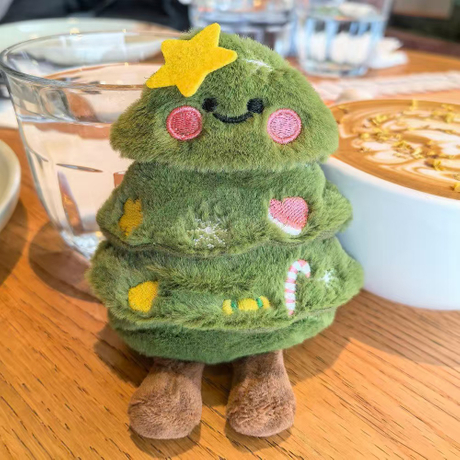
When you choose plush toys for dogs, think about size, age, breed, temperament, chewing habits, play style, safety, and comfort. Each dog likes different things and has special needs.
Research shows that soft and cuddly toys can make dogs feel safe and calm. These toys help lower stress during things like vet visits.
Key Takeaways
Choose the right size plush toy for your dog to ensure safety and enjoyment. A toy that is too small can be a choking hazard, while one that is too big can be hard to play with.
Select age-appropriate toys to match your dog's developmental stage. Puppies need soft toys for teething, while adult dogs benefit from durable toys that engage their minds.
Look for non-toxic materials in plush toys to keep your dog safe. Always check labels for safety certifications and avoid toys with small parts that could pose choking risks.
Size and Age
Right Size Toy
Picking the right size plush toy matters a lot for your dog’s safety and fun. If you choose a toy that is too small, your dog might swallow it by accident. A toy that is too big can be hard to carry or play with. Look at your dog’s mouth and body size. Small dogs need smaller toys they can easily grab. Large dogs do better with bigger toys that won’t break apart quickly. Try to match the toy’s size to your dog’s jaw strength and play habits.
Tip: Always check the toy’s label for size recommendations. Brands often list which breeds or weights fit best.
Age-Appropriate Choices
Your dog’s age changes what kind of plush toy works best. Puppies love soft toys that help with teething. These toys feel gentle on their gums and give comfort. Teenage dogs often want toys that challenge them. Puzzle toys or plush toys with hidden squeakers keep them busy and happy. Adult dogs enjoy toys that make them think or move. Senior dogs need gentle toys that do not strain their teeth or joints.
Here’s a quick guide for age-appropriate plush toys:
Puppies: Soft, gentle toys for teething and comfort.
Teenage dogs: Plush toys with puzzles or hidden treats for mental stimulation.
Adult dogs: Durable toys for active play and engagement.
Senior dogs: Extra-soft toys that are easy to carry and chew.
Choosing the right plush toy for your dog’s size and age helps keep playtime safe and enjoyable. Dogs feel happier and more relaxed when their toys fit their needs.
Breed and Temperament
Matching Toy to Breed
Every dog breed has its own quirks. You might notice that small breeds, like Chihuahuas, love lightweight toys they can toss around. Bigger breeds, such as Labradors, need plush toys that can handle rough play. Some dogs like to chew gently, while others tug and shake their toys with lots of energy. When you pick a plush toy, think about your dog's size, how they play, and how strong their jaws are. A toy that works for a tiny pup may not last long with a big, active dog. Matching the toy to your dog's breed helps keep playtime safe and fun.
Tip: Check the toy's label for breed or weight suggestions. This helps you find the best fit for your furry friend.
Considering Temperament
Dogs have different personalities, just like people. Some pups want a soft, plush toy to snuggle with at bedtime. Others get excited by toys that squeak or bounce. You know your dog best, so watch how they act with new toys.
Some dogs prefer soft, plush toys for comfort.
Others may favor harder, more durable chews.
Dogs have different needs based on their personality and temperament.
A dog's temperament influences their toy preferences.
Dogs with a gentle temperament may seek comfort in plush toys.
More active dogs might prefer toys that engage their hunting instincts.
Choosing a plush toy that matches your dog's breed and temperament means more tail wags and happy playtimes.
Chewing and Play Style
Gentle vs. Heavy Chewers
You know your dog best. Some dogs like to gently nibble or carry their plush toys around. Others love to chew, tug, and even rip their toys apart. If your dog often destroys toys, they might need something tougher. Dogs sometimes tear up toys because they feel bored or have extra energy. Working and hunting breeds may also chew more if their instincts are not met.
Tip: If you notice your dog tearing apart plush toys, look for ones labeled as "durable" or "reinforced." These toys last longer and keep your dog safe during interactive play.
Here are some signs your dog needs a stronger plush toy:
They destroy toys quickly.
They chew when bored or frustrated.
They belong to a working or hunting breed.
Play Preferences
Every dog has a favorite way to play. Some love to fetch, while others enjoy tugging or solving puzzles. When you pick a plush toy, think about how your dog likes to play. Interactive play helps keep your dog happy and healthy.
High-energy breeds, like Border Collies and Labradors, need toys for running and fetching. Plush toys that are quiet work well indoors.
Working breeds, such as German Shepherds, enjoy puzzle toys that challenge their minds.
Toy breeds, like Chihuahuas and Pomeranians, prefer small plush toys they can carry and chew.
Hunting breeds, including Retrievers and Pointers, love squeaky plush toys that mimic prey.
Choosing the right plush toy for your dog's chewing habits and play style makes interactive play more fun and safe.
Safest Dog Toys
Non-Toxic Materials
When you pick out plush toys for your dog, always check what they are made of. Some materials can be harmful if your dog chews or swallows them. You want toys that are soft, sturdy, and safe. Many vets recommend natural rubber, plush, or fleece for dog toys. These materials feel gentle on your dog’s teeth and gums. Soft plush toys work well for comfort, especially during crate training or when your dog feels nervous.
Here’s what you should look for when checking for non-toxic materials:
Read the label for words like “BPA-free” and “non-toxic.”
Watch out for strong chemical smells. If a toy smells odd, it might not be safe.
Contact the manufacturer if you have questions about the materials.
Be careful with greenwashing. Some brands make claims that sound good but are not true.
Remember, dog toys do not have the same rules as children’s toys. You need to double-check safety yourself.
Tip: Soft toys help protect your dog’s teeth. Natural rubber is also a safe choice, especially for puppies who love to chew.
You can also look for safety certifications. Some labels show that a toy meets high safety standards. Here’s a quick table to help you spot important certifications:
Safety Certification | Why It Matters |
Independent Certifications | Shows the toy passed safety tests by a third party |
Labels for Children Under 3 | Means the toy uses safe materials and avoids choking risks |
CPS Certification | Proves the toy is tested for safety and reliability |
If you see these labels, you can feel more confident about your choice. Organizations like the Center for Pet Safety also test and review pet products. They help you find the safest dog toys for your furry friend.
Avoiding Choking Hazards
Safety goes beyond just the materials. You also need to check for small parts or loose pieces that could become choking hazards. Dogs love to chew, tug, and sometimes rip their toys apart. If a toy breaks, small bits can end up in your dog’s mouth.
Here are some ways to keep your dog safe:
Inspect toys after every play session. Look for rips, tears, or missing pieces.
If you can’t check every day, try to inspect toys at least once a week.
Throw away any toys that are broken, have sharp edges, or are missing stuffing.
Avoid toys with dangerous fillings like nutshells or polystyrene beads.
Choose machine washable toys. Clean toys last longer and stay safer.
Note: Regular checks help you catch problems early. A quick look can prevent accidents and keep playtime safe.
You know your dog best. Some dogs play gently, while others go wild and tear toys apart. Always match the toy to your dog’s play style. If you follow these steps, you can keep your dog happy and safe with every new plush toy.
Comfort and Sensory Needs
Plush Toys for Dogs
You want your dog to feel safe and happy. Plush toys for dogs do more than just entertain—they give comfort and security. Many dogs love to snuggle with soft stuffed toys, especially when they feel nervous or alone. These toys remind them of a littermate or a cozy bed. Some plush toys for dogs even help with crate training or make it easier for your dog to settle into a new home.
Here’s a quick look at what makes plush toys for dogs so comforting:
Feature | Description |
Mimics warmth and security | Feels like a familiar friend, giving comfort and security |
Heartbeat simulation | Offers a gentle heartbeat sound to calm your dog |
Calming scents | Uses lavender or other scents to help your dog relax |
Reusable heat pack | Adds warmth for extra comfort and security |
You can see how these features turn plush toys for dogs into true comfort toys.
Soothing Features
Some plush toys for dogs come with special features that help during stressful times. If your dog struggles with separation anxiety or barks too much, these toys can make a big difference. They give your dog something safe to chew and cuddle, which helps protect your furniture and keeps your dog busy.
Separation anxiety: Plush toys for dogs offer comfort and security when you leave the house.
Excessive barking: These toys give your dog something to focus on, which helps calm them down.
Inappropriate chewing: Plush toys for dogs provide a safe outlet for chewing.
Nighttime restlessness: Your dog can sleep better with a soft toy by their side.
Plush toys for dogs with soothing features help your dog feel calm and safe. You give your dog a sense of comfort and security every time you offer one of these special toys.
Care and Supervision
Cleaning Tips
Keeping your dog’s plush toys clean helps protect their health and keeps playtime safe. Dirty toys can collect germs and dust, which may cause problems for dogs, especially if they chew or snuggle with them often. You want to make sure your dog’s favorite puppy teething aid stays fresh and ready for play.
Here are some easy ways to clean plush toys:
Check the care label before washing. Some toys have special instructions.
For machine-washable toys, use a gentle cycle with cold water. Place the toys in a laundry bag or pillowcase to protect them.
Use a mild, pet-safe detergent. Avoid bleach, harsh chemicals, and fabric softeners.
Hand-wash toys that are not machine-safe. Use lukewarm water and a small amount of mild detergent. Rinse well.
Air dry all toys to keep their shape and softness. You can also use a low-heat dryer setting if the label allows.
For toys that cannot get wet, sprinkle baking soda on them, let it sit, then vacuum it off to remove odors.
Cleaning Method | Description |
Machine Washing | Gentle cycle, cold water, air dry. |
Hand Washing | Mild detergent, lukewarm water, rinse well, air dry. |
Baking Soda | Sprinkle, let sit, vacuum off for dry cleaning. |
Spot Cleaning | Clean stains right away to keep toys fresh. |
Vacuuming | Remove dust from delicate toys without water. |
Regular cleaning keeps your puppy teething toys safe and helps you build a strong bond with your dog. Clean toys also support enrichment and mental stimulation during play.
When to Replace
You want your dog to stay safe and happy with every plush toy. Over time, even the best puppy teething aid or toys for teething puppies can wear out. Watch for signs that a toy needs to go:
Rips, tears, or holes where stuffing comes out.
Loose parts or squeakers that could become choking hazards.
Strong odors that do not go away after cleaning.
Toys that lose their shape or softness.
If you notice any of these problems, it’s time to replace the toy. Fresh toys keep your dog excited and help maintain your bond. New toys also give more chances for enrichment and mental stimulation. Always supervise your dog during play, especially with new toys or when using puppy teething toys.
Choosing the right plush toy means thinking about your dog’s size, age, and play style. Watch how your dog acts and pick toys that match their needs. Here’s what a perfect plush toy can offer:
Benefit | Description |
Comfort | Helps your dog feel calm and secure, even during stressful times. |
Gentle Play | Great for older dogs or those with sensitive teeth. |
Mental Stimulation | Keeps your dog’s mind active and prevents boredom. |
Plush toys can soothe anxiety.
They give your dog fun ways to play and bond with you.
The right toy brings comfort and joy every day.
FAQ
What size plush toy should you pick for your dog?
Check your dog’s mouth and body size. Choose a toy they can carry easily. Avoid toys that are too small or too big.
How often should you clean your dog’s plush toys?
Wash plush toys once a week or when they look dirty. Use pet-safe detergent. Air dry for best results.
Can plush toys help with your dog’s anxiety?
Yes! Soft plush toys give comfort. They help your dog feel safe during stressful times like thunderstorms or when you leave home.