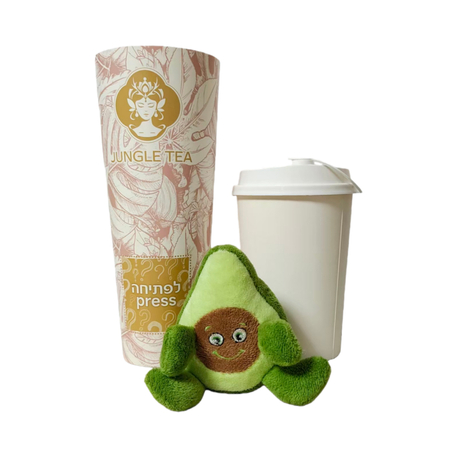
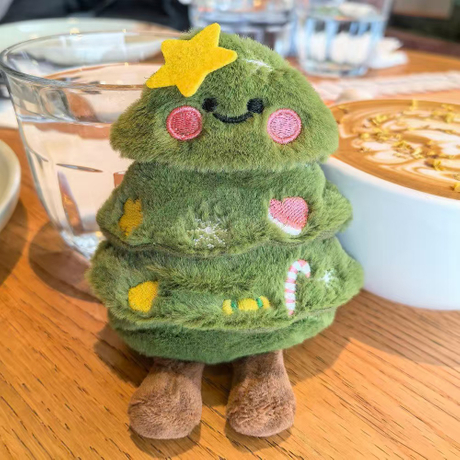
Plush toys have long been cherished companions for children, offering comfort and sparking imagination. But have you ever wondered about the journey of these cuddly creations? From the initial concept to the final Christmas gift, custom plush toys undergo a fascinating transformation. This article will take you behind the scenes to explore the meticulous process of designing, prototyping, and mass-producing plush toys. So, let’s unwrap the magic and discover how your child’s next plush friend comes to life!
The Rise of Custom Plush Toys: A Market OverviewThe Art of Design: Crafting Unique CharactersFrom Sketch to Stuffing: The Prototyping ProcessMass Production Magic: Bringing Plush Toys to LifeConclusion
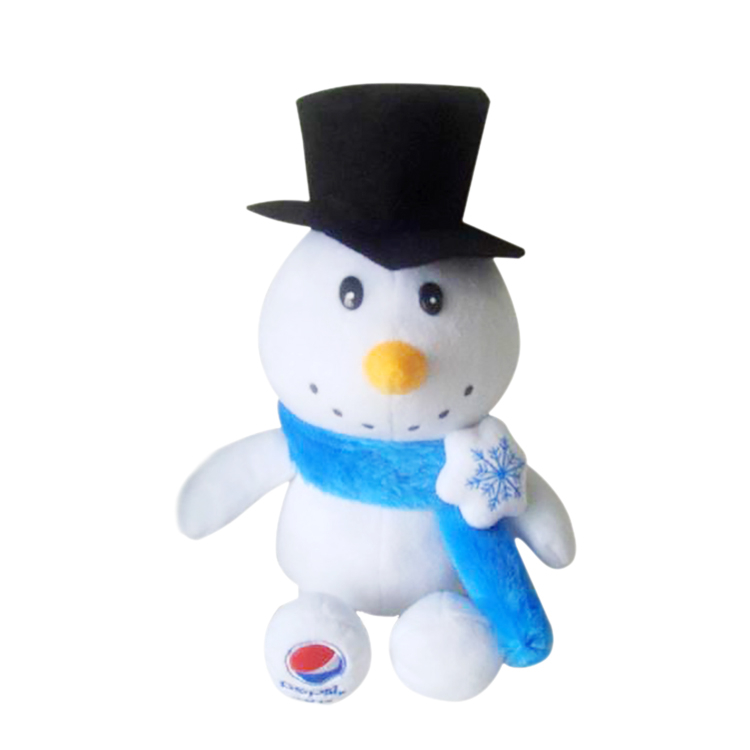
The Rise of Custom Plush Toys: A Market Overview
The global plush toys market size was valued at USD 11.65 billion in 2022 and is projected to reach USD 19.07 billion by 2031, growing at a compound annual growth rate (CAGR) of 5.5% from 2023 to 2031. The market is segmented based on product type, distribution channel, and region.
By product type, the market is segmented into dolls, action figures, and others. By distribution channel, the market is segmented into offline and online channels. The market is further segmented by region, with key regions including North America, Europe, Asia-Pacific, and Latin America.
The increasing demand for plush toys, especially among children, is driving the market growth. Custom plush toys are gaining popularity due to their unique designs and the ability to create personalized toys for special occasions. The market is highly competitive, with several key players operating in the industry.
The Art of Design: Crafting Unique Characters
The design stage is where the magic begins. Designers collaborate with clients to understand their vision and create unique characters. This process involves sketching out ideas and refining them until the perfect design is achieved. Designers consider factors such as the toy’s personality, age appropriateness, and safety requirements.
Once the design is finalized, it’s time to bring it to life. Designers create a 2D digital render of the toy, showcasing its colors, patterns, and features. This step is crucial as it allows clients to visualize the final product and make any necessary adjustments before moving forward.
After the digital render is approved, designers create a 3D model of the toy. This model serves as a blueprint for the prototype and helps identify any design flaws that may have been overlooked in the earlier stages. Designers may use computer-aided design (CAD) software or traditional sculpting techniques to create the 3D model.
Designing custom plush toys is a meticulous process that requires creativity, attention to detail, and a deep understanding of the target market. It’s a collaborative effort that brings together the expertise of designers, clients, and manufacturers to create a one-of-a-kind toy that will delight children and adults alike.
From Sketch to Stuffing: The Prototyping Process
Once the design is finalized, it’s time to create a prototype. This is a crucial step in the custom plush toy manufacturing process, as it allows designers and clients to see and feel the toy before mass production begins. The prototype is typically made from inexpensive materials like felt or cotton to keep costs down.
Creating a prototype involves several steps. First, the designers create a paper pattern based on the 3D model. This pattern serves as a blueprint for cutting the fabric pieces that will be sewn together to form the toy. Next, the designers cut out the fabric pieces and sew them together, leaving a small opening for stuffing.
Once the toy is sewn together, it’s time to stuff it with filling material. The type of filling used can vary depending on the desired texture and firmness of the toy. Common options include polyester fiberfill, foam pellets, or even recycled materials for eco-friendly options.
After stuffing, the prototype is carefully sewn shut and any final touches, such as embroidery or embellishments, are added. This is an exciting moment, as the prototype starts to resemble the final product. However, it’s important to remember that this is just the first iteration and adjustments may still be needed.
The prototype is then sent to the client for review. This is an opportunity for the client to see the toy in person and provide feedback on its size, shape, and overall appearance. It’s not uncommon for multiple rounds of prototyping to take place, with each iteration bringing the toy closer to the final design.
Prototyping is a crucial step in the custom plush toy manufacturing process. It allows designers and clients to see and feel the toy before mass production begins, ensuring that the final product meets everyone’s expectations. It’s a collaborative effort that requires open communication and a willingness to make adjustments along the way.
Mass Production Magic: Bringing Plush Toys to Life
After finalizing the prototype, it’s time to move into mass production. This is where the magic happens and custom plush toys start rolling off the assembly line. The manufacturing process involves several key steps, each crucial to ensuring the quality and consistency of the final product.
Firstly, fabric cutting is done using advanced machinery like laser cutters or CNC machines to ensure precision and efficiency. These machines can cut multiple layers of fabric at once, saving time and reducing waste.
Next, the individual pieces are sewn together using industrial sewing machines. These machines are designed to handle thick layers of fabric and can sew at high speeds, ensuring that the seams are strong and durable. This is a critical step, as the quality of the stitching can greatly impact the toy’s longevity.
Once the pieces are sewn together, it’s time for stuffing. This is done using automated stuffing machines that can accurately measure and distribute the filling material. The stuffing process is crucial, as it determines the toy’s firmness and shape.
After stuffing, the toys undergo a quality control inspection. This step is essential to ensure that each toy meets the manufacturer’s quality standards and is free from defects. Inspectors check for issues such as loose threads, uneven stuffing, and faulty stitching.
Finally, the toys are finished with any additional details, such as embroidery, accessories, or safety labels. These finishing touches are what make each custom plush toy unique and special.
Mass production is a complex and intricate process that requires careful planning and coordination. It’s a collaborative effort that involves designers, engineers, and skilled workers, all working together to bring the custom plush toys to life.
Conclusion
And there you have it, the journey of a custom plush toy from concept to creation! It’s a process that requires creativity, skill, and attention to detail, but the end result is a unique and cuddly companion that will bring joy to children of all ages.
Whether you’re a parent looking to create a special gift for your child, or a business owner seeking to add custom plush toys to your product line, understanding the process behind their creation is essential. So, next time you see a plush toy, take a moment to appreciate the artistry and craftsmanship that went into making it.